🇲🇾 Hainanese Chicken Rice
Kuala Lumpur / Selangor (Klang Valley)



-
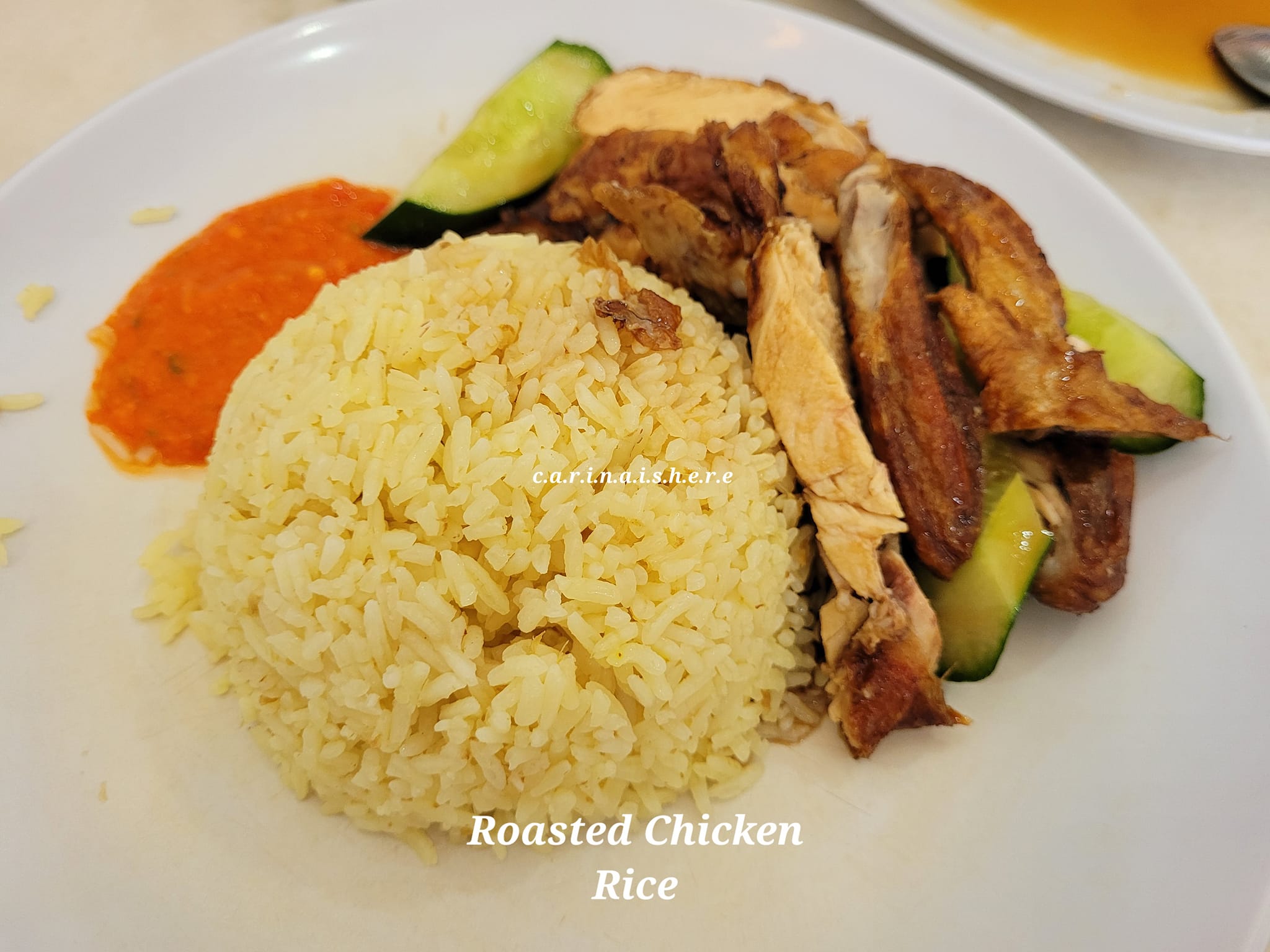
Nasi Ayam Hainan Chee Meng — A long-established halal chicken-rice chain originally from Old Klang Road, now with branches such as Bukit Bintang and Jalan Klang Lama. Known for good steamed or roasted chicken rice and consistent quality over decades. (Malaysia Food and Travel)
-
The Chicken Rice Shop — A nationwide chain with many outlets across Malaysia (including KL/Selangor). Good if you want a reliable, modestly priced chicken-rice meal, convenient for many locations. (Grokipedia)
-
Other local favourites include smaller cafes/stalls (roast or steamed), for example around Petaling Jaya / Damansara etc., serving affordable chicken-rice (sometimes non-halal) — reflecting the popularity and adaptability of the dish in Klang Valley. (KL Foodie)
👉 Why this area stands out: Because Klang Valley (KL + Selangor) is urban and densely populated, there are many outlets — from heritage shops to chains — offering different takes (halal, roast, fried, budget, or more premium).
Perak (especially Ipoh / surrounding area)


-
Hin Loong Chicken Rice — A longstanding chicken-rice joint in Ipoh offering classic white-chicken-style Hainanese rice with oiled rice and poached chicken. Good for those who prefer traditional tastes over commercialized versions. (kenhuntfood.com)
-
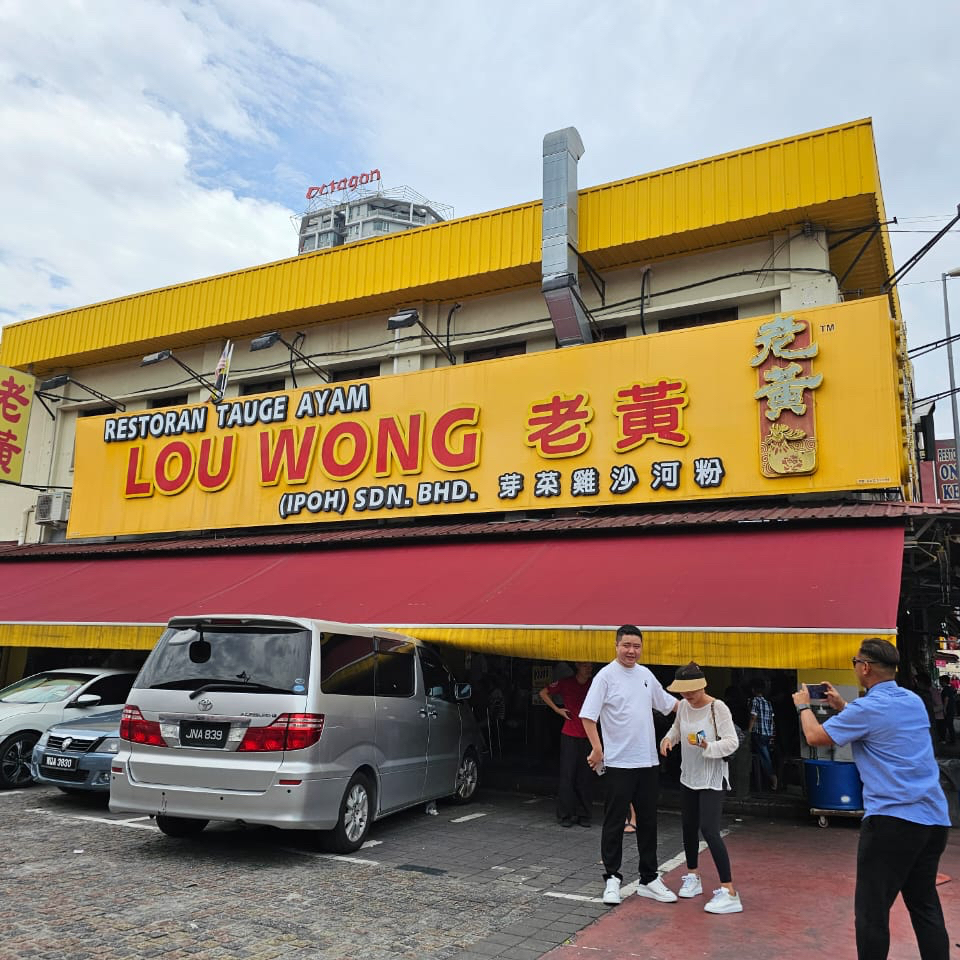
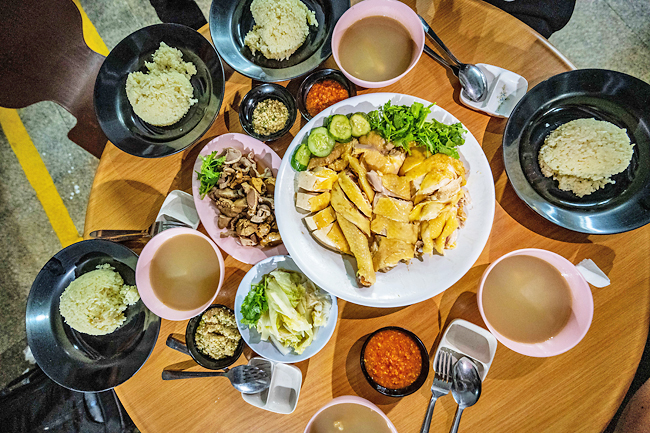
The state of Perak, especially Ipoh, is often associated with Hainanese chicken rice (and bean-sprout chicken rice, a local variation), due to historical Chinese-Hainanese communities there. (Wikipedia)
👉 Why this area stands out: Because of historical immigrant communities, you get more “old-school / original” Hainanese-style chicken rice (simple, no-frills, focusing on chicken + fragrant rice + good bean sprouts).
Penang


-
Triple Star Hainanese Chicken Rice — Located in Gurney Plaza, Penang, famous for good roast-style Hainanese chicken and well-cooked rice. A go-to for locals wanting nice chicken rice in Penang. (Malaysia Food and Travel)
-
Penang’s version of “chicken rice” sometimes differs — there are roast-chicken/roast-meat stalls, mixing local tastes with Hainanese rice traditions. (Malay Mail)
👉 Why this area stands out: Penang locals appreciate variety and often favour roast or mixed meat + rice stalls; the chicken-rice scene there is a bit different — leaning toward roast meats and street-stall style.
East Malaysia (Sabah / Sarawak)


-
In Sabah: there is mention of a place run by a Hainanese family — Andrew Wong — who serves Hainanese chicken rice in Kota Kinabalu, showing the dish’s reach beyond Peninsular Malaysia. (BusinessToday)
-
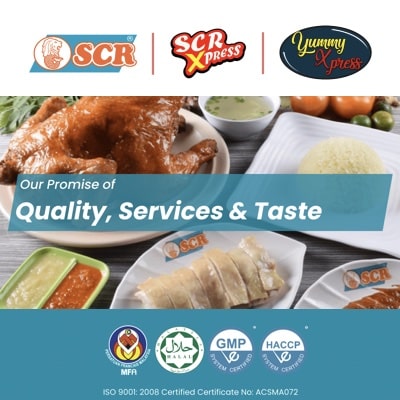
In Sarawak: there is a local halal-certified chicken-rice fast-food chain, SCR, which serves chicken-rice among other local dishes — showing that Hainanese-inspired chicken rice has also been adapted to East Malaysian tastes. (Wikipedia)
👉 Why this area stands out: Even in East Malaysia, there’s appetite for Hainanese-style chicken rice — sometimes adjusted to local tastes and halal requirements — a sign of how national this dish has become.
Melaka (Malacca) / Southern / Smaller States — Local variations


-
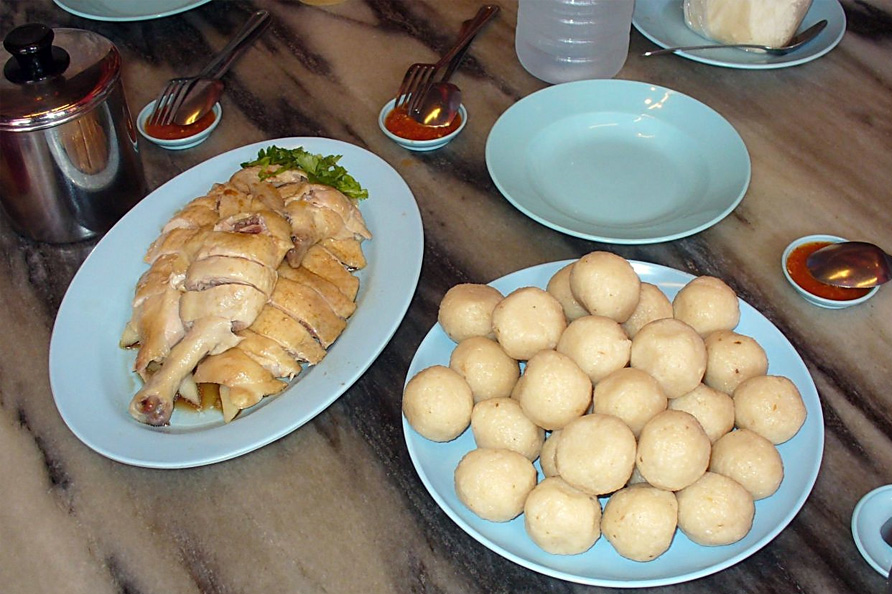
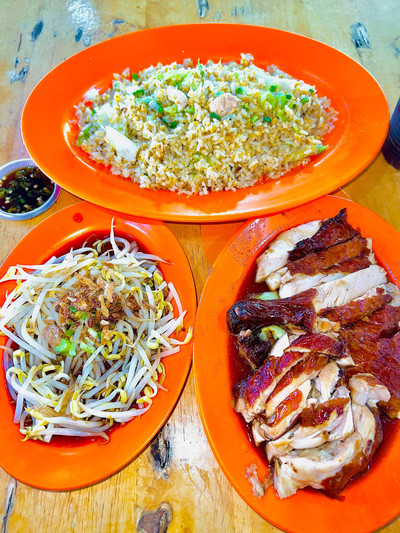
In Melaka, besides regular chicken-rice, you may find local twists — for example rice balls instead of plain rice: the “chicken-rice balls” style is more associated with older local traditions than strictly Hainanese-style, but still shows how adaptable chicken-rice is across the country. (Wikipedia)
💡 Why Hainanese Chicken Rice Is Found in Almost Every State
-
The dish has deep historical roots in Malaysia — originally brought by Hainanese immigrants, but over time it became a classic staple across many states and ethnic communities. (malaysianchefs.com)
-
Because the preparation (steamed or roasted chicken + rice cooked in chicken stock + sauces/sides) is relatively simple but flavourful, many coffee shops, hawker stalls, and restaurants adopt it. (Malay Mail)
-
Over time, local adaptations — halal-friendly, roasted-style, mixed-meat, rice balls, even chain-restaurant formats — have allowed the dish to evolve and suit different tastes across regions. (Grokipedia)

Comments
Post a Comment